Container Gardening Mistakes That Kill Harvests
Container gardening looks simple from the outside.
Buy a pot. Add soil. Drop in a plant. Water it when you remember.
That is also why so many container gardens fail before they produce anything useful.
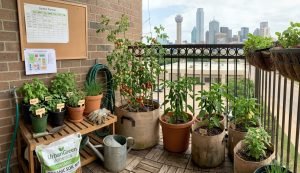
Most container gardening mistakes start small, but they compound quickly in balcony, patio, and urban gardens where plants have limited space to recover.
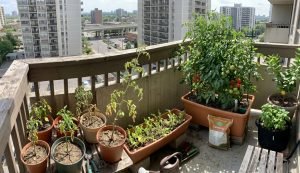
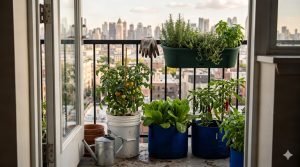
Growing vegetables in containers can absolutely work, especially for apartment gardeners, balcony gardens, patio growers, renters, and people living in large metropolitan areas where backyard space is limited. But containers are less forgiving than in-ground gardens. A small mistake gets amplified fast.
The soil dries out faster. Roots have less room. Heat builds up around the container. Nutrients wash out. One bad watering habit can stress the plant for weeks.
Most people do not lose their harvest because they are bad gardeners. They lose it because they treat container gardening like regular gardening in a smaller pot.
why apartment gardens fail before harvest
That is the mistake.
1. Using Containers That Are Too Small
This is one of the fastest ways to limit your harvest before the plant even has a chance.
A tiny pot may look fine when the seedling is small, but vegetables grow fast. Tomatoes, peppers, cucumbers, eggplants, squash, and beans all need enough root space to support the plant above the soil.
When the container is too small, the plant dries out constantly, runs out of nutrients quickly, and becomes stressed. A stressed plant may survive, but survival is not the goal. You want production.
For many fruiting vegetables, a 5-gallon container is usually the starting point, not the luxury option. Some crops need even more room if you want steady harvests instead of one sad round of production.
Small containers are better for herbs, lettuce, green onions, and shallow-rooted crops. They are not ideal for heavy-feeding vegetables that need a bigger root system.
2. Choosing Pretty Pots Over Practical Pots
A lot of container gardens fail because the setup was designed for a photo instead of a harvest.
Decorative pots can work, but only if they drain well, hold enough soil, and do not overheat the roots. A beautiful ceramic pot with poor drainage is still a problem. A shallow planter with six crowded vegetables is still a problem. A dark container sitting on hot concrete in July can cook the root zone.
The plant does not care if the container matches your patio furniture.
It needs space, drainage, airflow, and stable moisture.
If the pot looks good but fights the plant’s basic needs, it is not a gardening container. It is decoration with a plant in it.
3. Bad Drainage
Drainage is not optional.
Containers without proper drainage trap water at the bottom. Roots sit in soggy soil, oxygen gets pushed out, and the plant starts declining even though it looks like you are watering enough.
This is where people get confused. The plant wilts, so they water more. But the real problem may be damaged roots, not dry soil.
Every vegetable container should have drainage holes. Not one tiny hole pretending to help. Real drainage.
If you are growing on a balcony or apartment patio, use saucers carefully. They can protect the floor, but they should not become standing water traps. Empty them after watering so the roots are not sitting in a swamp.
4. Using Cheap or Tired Soil
Container soil matters more than people want to admit.
Garden soil from the ground is usually too dense for containers. It compacts, drains poorly, and can suffocate roots. Cheap potting mixes can also dry out strangely, collapse over time, or fail to hold nutrients well.
In a backyard bed, plants can send roots deeper and wider to find what they need. In a container, the plant only has what you put in that pot.
That means the soil has to do a lot of work.
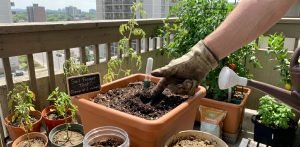
Use a quality potting mix made for containers. Refresh old soil with compost and fresh mix before replanting. If a container struggled badly with disease, pests, or root rot, do not blindly reuse that soil and expect a better outcome.
Old soil is not automatically dead, but it is not automatically ready either.
Common Container Gardening Mistakes That Reduce Harvests
5. Watering on a Random Schedule
Container plants do not care what day it is.
They care about moisture.
Watering every Monday, Wednesday, and Friday sounds organized, but it does not respond to heat, wind, plant size, container size, or sunlight. A tomato in a black container on a sunny balcony may need water daily during hot weather. A lettuce planter in partial shade may not.
The better habit is checking the soil.
Stick your finger into the top inch or two. If it feels dry, water deeply. If it still feels moist, wait. The goal is not constant wet soil. The goal is consistent moisture without drowning the roots.
Random watering creates stressed plants. Stressed plants drop flowers, slow down growth, and produce smaller harvests.
6. Letting Containers Dry Out Completely
One missed watering can do real damage in a container garden.
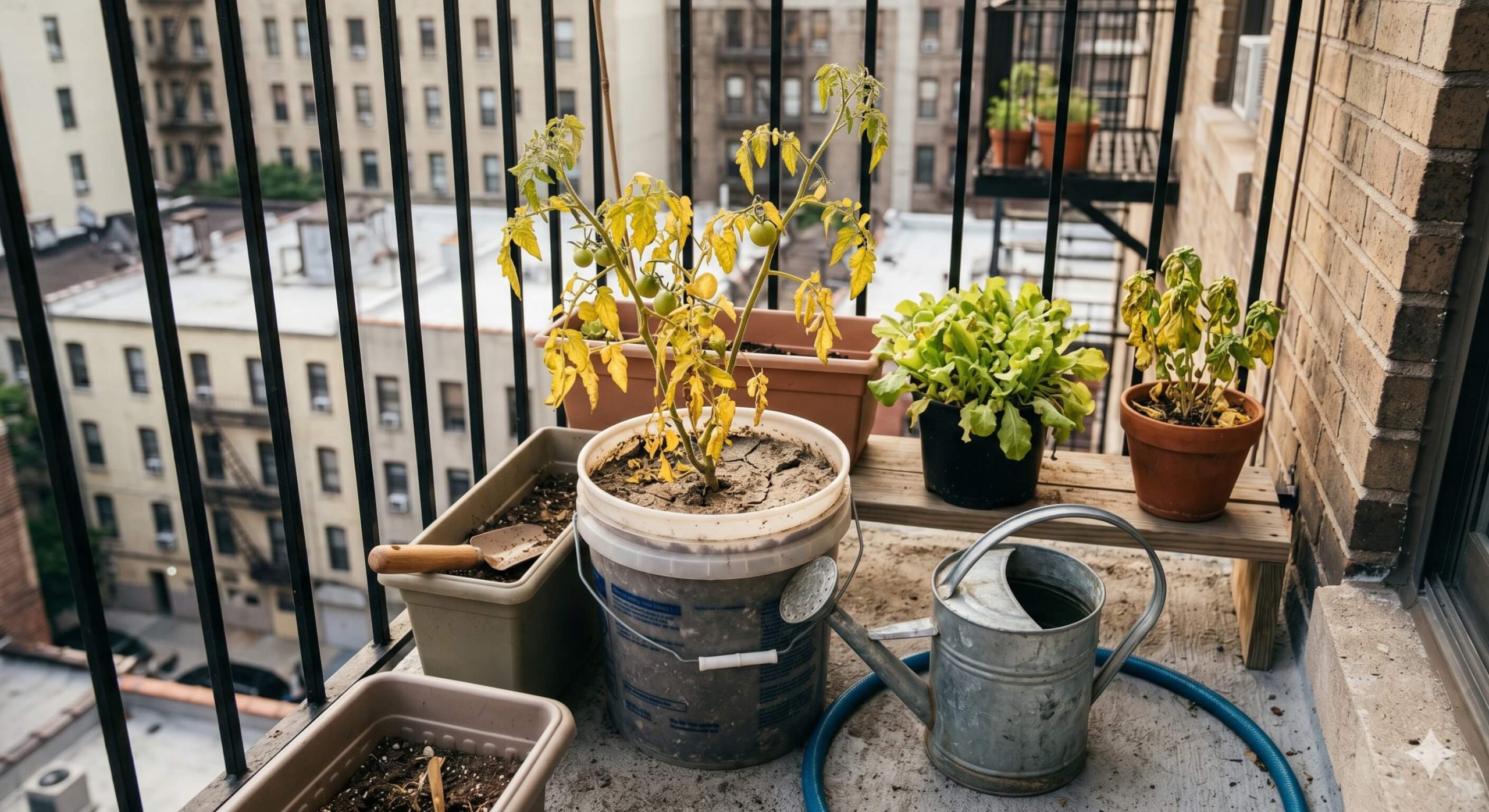
When containers dry out completely, the soil can become difficult to rehydrate. Water may run down the sides and out the bottom while the root ball stays dry in the middle. The plant looks watered, but it is still thirsty.
This is especially common on balconies, rooftops, patios, and other urban spaces where wind and reflected heat pull moisture out quickly.
If a container has gone bone dry, water slowly. Let it soak in. Come back and water again. Do not blast it once and assume the problem is fixed.
7. Overcrowding the Container
Overcrowding is where beginner ambition quietly kills the harvest.
It feels efficient to squeeze more plants into one container. More plants should mean more food, right?
Not usually.
Too many plants compete for the same water, nutrients, light, and root space. Airflow drops. Disease risk rises. Each plant becomes weaker than it should be.
A crowded container may look impressive for two weeks. Then it turns into a maintenance problem.
One healthy pepper plant in the right container will usually outperform three stressed pepper plants fighting each other in the same pot.
8. Growing the Wrong Crops for the Space
Not every vegetable belongs in every container garden.
That does not mean you cannot experiment. It means you should stop pretending all crops have the same needs.
Large pumpkins, corn, full-size watermelons, sprawling squash, and huge indeterminate tomatoes can become a disaster on a small balcony unless you have the space, support, and experience to manage them.
Better container choices include herbs, lettuce, radishes, green onions, peppers, compact tomatoes, bush beans, Swiss chard, kale, and smaller eggplant varieties.
The question is not, “Can this grow in a container?”
The better question is, “Can this produce well in the container and space I actually have?”
9. Ignoring Sunlight Reality
Sunlight is not a motivational issue.
If your balcony only gets three hours of direct sun, tomatoes and peppers are going to struggle. You can buy better soil, better fertilizer, better containers, and better tools. It still will not replace missing sunlight.
This is one of the biggest problems for apartment gardeners in large cities. Nearby buildings, balcony overhangs, railings, trees, and neighboring structures can cut down direct light more than people realize.
Before choosing crops, track your sunlight for a few days.
You should also understand your growing zone before choosing long-season crops. The USDA Hardiness Zone Map can help determine which vegetables are more likely to succeed in your climate.
- How many hours of direct sun does the space actually get?
- Is the sun strongest in the morning or afternoon?
- Does a building block the light after lunch?
- Does the railing shade the lower containers?
Grow fruiting crops in your sunniest spots. Use lower-light areas for herbs, lettuce, and leafy greens.
10. Forgetting to Feed the Plants
Containers run out of nutrients.
That is not a theory. That is how container growing works.
Every time you water, some nutrients move through the soil and drain out. Heavy-feeding vegetables like tomatoes and peppers need steady nutrition to keep producing. If you never feed them, the plant eventually slows down, yellows, drops flowers, or gives you weak harvests.
You do not need to overcomplicate it. Use compost, a balanced organic fertilizer, or a vegetable-safe feeding routine that matches what you are growing.
The mistake is thinking the original bag of potting mix will carry a hungry plant all season without help.
11. Skipping Support Until It Is Too Late
Tomatoes, peppers, cucumbers, peas, and beans often need support before they look like they need support.
Waiting until the plant is falling over is asking for broken stems and damaged roots. Adding stakes or cages late can disturb the root system and make the plant harder to manage.
Put supports in early.
It is easier to guide a plant upward from the beginning than to rescue a tangled mess after it has already collapsed.
12. Treating Wind Like a Minor Problem
Balconies can be windy.
Rooftops, upper-floor apartments, and exposed patios can dry plants out faster than expected. Wind can snap stems, damage leaves, knock over containers, and stress young seedlings.
If your growing space is windy, use heavier containers, group pots together, add support early, and place fragile plants where they get some protection.
Ignoring wind is one of those mistakes that seems small until your best plant is lying sideways after one bad afternoon.
The Simple Fix
Container gardening works when you stop treating the container like an afterthought.
Start with the basics:
- Use containers big enough for the crop
- Make sure every pot drains properly
- Use quality potting mix
- Check soil moisture instead of guessing
- Feed plants during the season
- Match crops to your sunlight
- Do not overcrowd the space
That is not flashy advice, but it is the difference between a container garden that looks good for two weeks and one that actually produces food.
Final Thoughts
Most container gardening mistakes are not dramatic.
They are small decisions that stack up until the harvest disappears.
A pot that is too small. Soil that dries out too fast. A plant placed in the wrong light. Too many seedlings crowded together. No feeding plan. No support. No drainage.
None of those mistakes look serious at first.
But vegetables do not reward wishful thinking. They respond to conditions.
If you want better harvests from a balcony, patio, rooftop, or small urban garden, build the system around what the plants actually need. That is how container gardens stop being decoration and start becoming food production.
FAQ: Container Gardening Mistakes That Kill Harvests
What is the biggest mistake in container gardening?
The biggest container gardening mistake is using containers that are too small for the crop. Small pots dry out quickly, limit root growth, run out of nutrients faster, and often lead to weak harvests.
Why do vegetables die in containers?
Vegetables often die in containers because of poor drainage, inconsistent watering, compacted soil, lack of nutrients, overcrowding, or not enough sunlight. Container gardens need more attention because the plant has limited space to recover from stress.
How often should I water a container vegetable garden?
Watering depends on the crop, container size, weather, and sunlight. Instead of watering on a fixed schedule, check the top inch or two of soil. If it feels dry, water deeply. In hot urban spaces, some containers may need daily watering during summer.
Can you overwater vegetables in containers?
Yes. Overwatering is common when containers do not drain properly or when plants are watered before the soil has had time to dry slightly. Soggy soil can damage roots and make the plant wilt even when the container looks wet.
What size container is best for vegetables?
Small crops like lettuce, herbs, radishes, and green onions can grow in smaller containers. Fruiting vegetables like tomatoes, peppers, cucumbers, and eggplants usually need larger containers. For many of these crops, 5 gallons is a practical starting point.
Is garden soil okay for container gardening?
Garden soil is usually not ideal for containers because it can compact, drain poorly, and limit oxygen around the roots. A quality potting mix made for containers is usually a better choice for balcony, patio, and apartment gardens.
Why are my container vegetables flowering but not producing?
Vegetables may flower without producing because of heat stress, inconsistent watering, poor pollination, lack of nutrients, overcrowding, or not enough sunlight. Tomatoes and peppers are especially sensitive to stress during flowering.
Do container vegetables need fertilizer?
Yes. Container vegetables usually need added nutrition during the season because nutrients wash out through drainage holes over time. Heavy-feeding crops like tomatoes and peppers need more consistent feeding than herbs or leafy greens.
What vegetables should beginners grow in containers?
Good beginner vegetables for containers include lettuce, radishes, green onions, herbs, peppers, bush beans, kale, Swiss chard, and compact cherry tomatoes. These crops are generally easier to manage in small spaces than large sprawling plants.
How do I get bigger harvests from container gardens?
Use larger containers, choose crops suited to your space, provide enough sunlight, water consistently, feed during the season, avoid overcrowding, and add supports early. Bigger harvests usually come from better growing conditions, not from squeezing in more plants.