Container Gardening for Urban Spaces
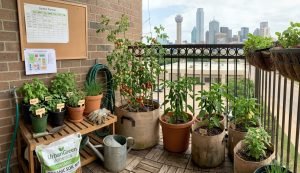
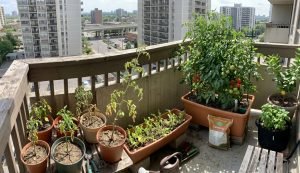
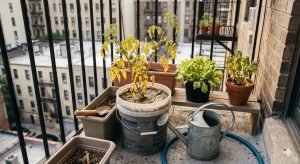
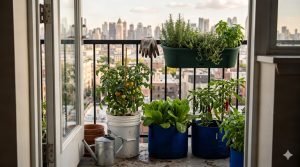
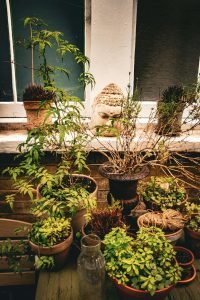
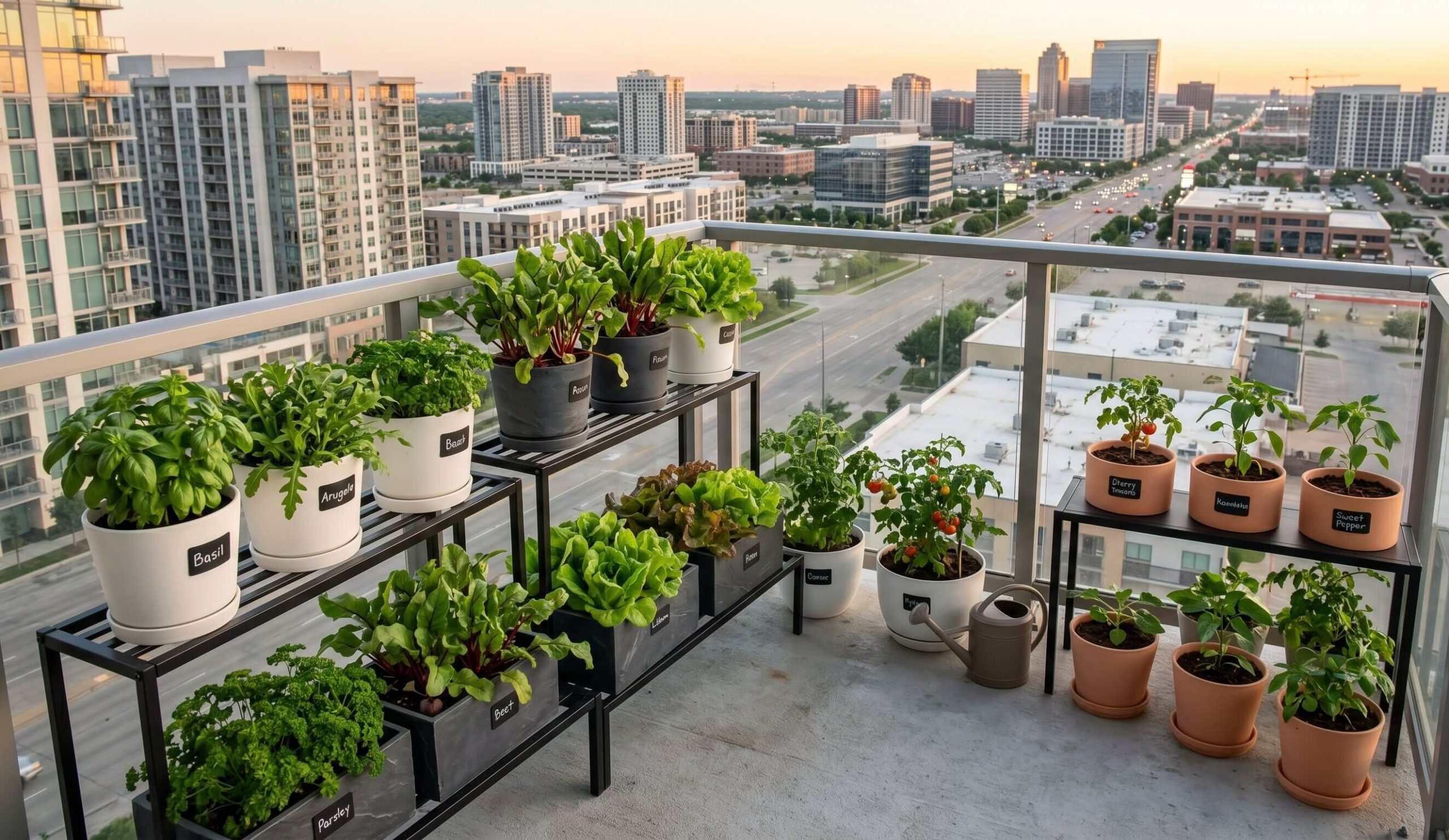
Container gardening is one of the easiest ways to grow food when you do not have a traditional backyard. Whether you live in an apartment, townhouse, condo, or city home with limited outdoor space, containers make it possible to grow herbs, vegetables, and small food-producing plants on patios, balconies, rooftops, porches, and even sunny windowsills.
The biggest mistake beginners make is thinking they need a large yard to start gardening. They do not. What they need is the right crops, the right containers, enough light, and a simple system for staying consistent.
What Is Container Gardening?
Container gardening is the practice of growing plants in pots, grow bags, buckets, planters, raised containers, or other movable growing spaces instead of planting directly in the ground.
This makes it ideal for urban gardeners because containers are flexible. You can move them, rearrange them, scale up slowly, and grow food in spaces that would otherwise go unused.
Why Container Gardening Works Well in Cities
Urban spaces often come with limitations: less land, less sunlight, rental restrictions, concrete surfaces, and smaller outdoor areas. Container gardening solves many of those problems.
- It works in small spaces: balconies, patios, porches, and rooftops can all support container gardens.
- It is beginner-friendly: you can start with one or two containers instead of managing a full garden bed.
- It is flexible: containers can be moved to follow sunlight or protect plants from harsh weather.
- It gives you more control: soil, drainage, spacing, and watering are easier to manage in containers.
- It is renter-friendly: you can take your garden with you when you move.
Best Crops for Urban Container Gardens
Not every crop is a good fit for containers, especially for beginners. The smartest approach is to start with crops that grow quickly, stay manageable, and produce well in small spaces.
1. Herbs
Herbs are one of the best starting points for container gardening. Basil, parsley, mint, cilantro, thyme, oregano, and chives can all grow well in pots. Herbs are also expensive to keep buying at the grocery store, which makes them one of the most practical crops to grow at home.
2. Lettuce and Leafy Greens
Lettuce, spinach, arugula, kale, and Swiss chard are strong choices for container gardens. Many leafy greens grow quickly and can be harvested by cutting outer leaves while the plant continues growing.
3. Radishes
Radishes are fast-growing, compact, and beginner-friendly. They are a good confidence-building crop because they mature quickly compared to many other vegetables.
4. Peppers
Peppers can do well in containers when they get enough sunlight and consistent watering. They are also productive plants that can keep producing over time.
5. Green Onions
Green onions are simple, space-efficient, and easy to regrow. They are a smart crop for beginners who want quick results without managing a complicated setup.
Choosing the Right Containers
Container size matters more than most beginners realize. A container that is too small can limit root growth, dry out too quickly, and reduce harvest potential.
As a general rule, bigger containers are easier to manage because they hold more soil, retain moisture better, and give roots more room to grow.
- Herbs: small to medium pots can work well.
- Lettuce and greens: shallow but wide containers are often effective.
- Peppers: medium to large containers are better.
- Tomatoes: larger containers are usually needed.
- Root crops: choose containers deep enough for root development.
Drainage Is Non-Negotiable
One of the fastest ways to kill container plants is poor drainage. Containers need drainage holes so excess water can escape. Without drainage, roots can sit in soggy soil and begin to rot.
If a container does not have drainage holes, it is usually better to choose another container or carefully add holes before planting.
How Much Sun Do Container Gardens Need?
Sunlight depends on the crop. Fruiting crops like tomatoes and peppers usually need more sun, while many leafy greens and herbs can tolerate partial shade.
For urban gardeners, the key is to observe your space. Notice where sunlight hits during the day, how long it stays there, and whether buildings, fences, trees, or balcony overhangs block the light.
Common Container Gardening Mistakes
Container gardening is simple, but it still requires consistency. These are the mistakes that cause most beginners to struggle.
Using Containers That Are Too Small
Small containers dry out quickly and restrict root growth. If your plants keep struggling, the container may be part of the problem.
Overwatering
More water does not always mean healthier plants. Too much water can damage roots and weaken plants. Check soil moisture before watering instead of watering automatically every day.
Planting Too Much at Once
Starting with too many crops creates overwhelm. A better beginner strategy is to start with a few reliable crops, learn their needs, and expand gradually.
Choosing Difficult Crops First
Some vegetables require more space, more time, or more maintenance. Beginners should start with easy wins like herbs, lettuce, radishes, and green onions before moving into more demanding crops.
Ignoring Harvest Timing
Many beginners plant successfully but lose track of when to harvest. A container garden works best when you know what was planted, when it was planted, and what needs attention next.
How to Start a Container Garden in a Small Space
- Choose your growing area: balcony, patio, porch, windowsill, or rooftop.
- Track sunlight: observe how many hours of direct or partial sun the space gets.
- Pick beginner-friendly crops: herbs, lettuce, radishes, green onions, or peppers.
- Choose containers with drainage: avoid containers that trap water.
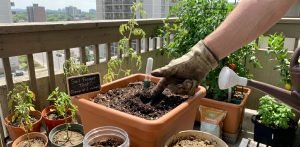
- Use quality potting mix: do not rely on heavy yard soil in containers.
- Start small: begin with 2–4 containers instead of trying to grow everything at once.
- Track your garden: record planting dates, watering, harvest timing, and plant progress.
Container Gardening Is a System, Not a Guessing Game
The difference between a successful container garden and a frustrating one usually comes down to organization. You need to know what you planted, where it is growing, when it needs care, and when it should be harvested.
That is why planning matters. A small garden can still become overwhelming if you are guessing every week. Start simple, choose the right crops, and build a system you can actually maintain.
Final Thoughts
Container gardening is one of the most practical ways to grow food in urban spaces. You do not need a backyard, a large budget, or years of experience. You need a few good containers, beginner-friendly crops, consistent care, and a plan.
If you are new to gardening, do not try to grow everything at once. Start with fast, reliable crops. Build confidence. Learn your space. Then expand.
Want help choosing your first crops? Start with the free Urban Green America guide: 10 Fast-Growing Crops Perfect for Urban Gardens.
FAQ: Container Gardening for Urban Spaces
Can you grow vegetables in containers?
Yes. Many vegetables grow well in containers, including lettuce, peppers, radishes, green onions, herbs, spinach, kale, and some compact tomato varieties.
What are the easiest vegetables to grow in containers?
Some of the easiest container crops for beginners include lettuce, radishes, green onions, basil, parsley, spinach, and peppers.
Do container gardens need full sun?
Some crops need full sun, but not all of them. Fruiting crops like tomatoes and peppers usually need more sunlight, while leafy greens and many herbs can grow in partial shade.
What size container is best for vegetables?
The best container size depends on the crop. Herbs and leafy greens can grow in smaller containers, while peppers, tomatoes, and larger vegetables need more root space. When in doubt, choose a larger container with good drainage.
How often should I water a container garden?
Container gardens usually dry out faster than in-ground gardens, but watering depends on heat, sunlight, container size, plant type, and soil moisture. Check the soil before watering instead of following a fixed schedule blindly.
Can I start a container garden on an apartment balcony?
Yes. Apartment balconies are excellent places for container gardens if they get enough light and can safely support the weight of containers, soil, and water.
What is the biggest mistake in container gardening?
One of the biggest mistakes is using containers that are too small. Small containers restrict root growth, dry out quickly, and often lead to weaker plants and smaller harvests.
Is container gardening good for beginners?
Yes. Container gardening is one of the best ways for beginners to start because it is flexible, manageable, and works in small spaces.