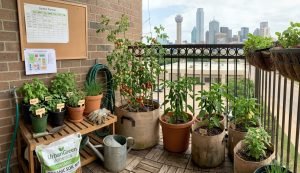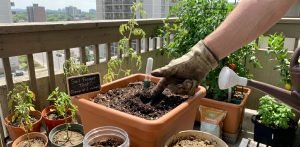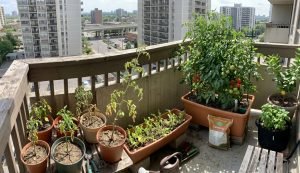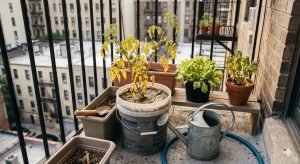
Best Vegetables for Balcony Gardens
A lot of people assume they need a backyard to grow food.
They don’t.
Some of the most productive gardens are growing right now on apartment balconies, patios, and tiny outdoor spaces in major cities. The biggest limitation usually isn’t space. It’s choosing the wrong plants.
That’s where most balcony gardens fall apart.
People try to grow giant crops in tiny containers, overcrowd everything, or pick vegetables that need far more sunlight than their space actually gets. Then a month later the plants struggle, the harvest is disappointing, and the entire setup gets abandoned.
Balcony gardening works better when you build around efficiency instead of trying to recreate a suburban backyard garden in 40 square feet.
The good news is that some vegetables actually thrive in containers and compact spaces.
1. Lettuce
If you want fast wins, start here.
Lettuce grows quickly, handles containers well, and doesn’t need deep soil. On many apartment balconies, especially in large cities where direct sunlight can be inconsistent, leafy greens perform far better than larger fruiting plants.
You can continuously harvest outer leaves instead of pulling the whole plant, which makes small-space growing far more productive.
Loose-leaf varieties usually outperform head lettuce in balcony gardens because they recover faster after harvesting.
Best for:
- Beginner gardeners
- Partial sun balconies
- Cooler seasons
- Shallow containers
2. Cherry Tomatoes
Large slicing tomatoes can become a maintenance nightmare in containers.
Cherry tomatoes are different.
They’re more forgiving, produce heavily, and usually perform better in balcony gardens because the plants stay more manageable.
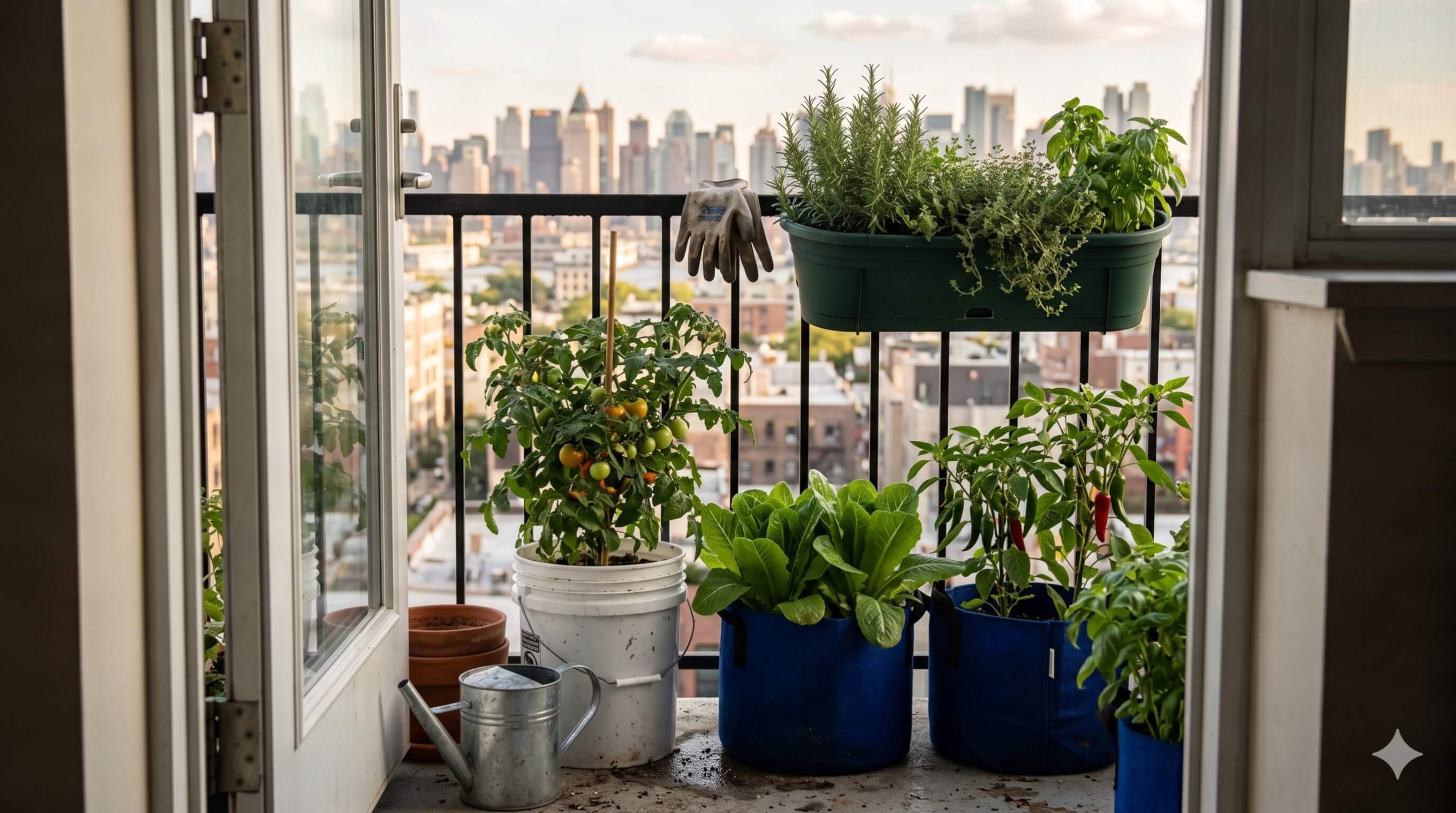
The mistake people make is underestimating support needs. Even compact tomato varieties need cages, stakes, or vertical string support once production starts.
If your balcony gets at least 6–8 hours of direct sunlight, cherry tomatoes are one of the highest-reward plants you can grow.
Especially in urban environments where grocery store tomatoes often taste bland and expensive.
3. Peppers
Peppers are almost built for container gardening.
They like heat. They tolerate compact root zones better than many vegetables. And they grow well vertically.
Balcony gardeners in hotter metropolitan areas often have better pepper success than suburban gardeners because concrete, brick, and reflected heat create warmer microclimates.
That matters more than people realize.
Small hot peppers and compact sweet pepper varieties tend to produce the best results in containers.
4. Green Onions
These are massively underrated.
Green onions take very little space, regrow quickly, and are one of the easiest crops for apartment gardeners to maintain consistently.
You can even regrow them from grocery store scraps to start.
For people trying to build confidence with gardening, green onions remove a lot of the pressure because they’re difficult to completely ruin.
And in small-space gardening, consistency matters more than complexity.
5. Radishes
Radishes are one of the fastest vegetables you can grow.
Some varieties mature in under a month.
That speed matters psychologically.
One reason beginners quit gardening is because they spend weeks watering plants without seeing results. Fast-growing crops create momentum and help people stay engaged long enough to improve their system.
Radishes also work well in balcony containers because they don’t require huge amounts of vertical space.
6. Bush Beans
Pole beans can become difficult on tight balconies unless you have strong vertical support systems.
Bush beans are easier to manage.
They stay compact, produce surprisingly well in containers, and improve soil quality at the same time by fixing nitrogen.
That makes them useful in small-space garden rotations where soil health becomes a bigger issue over time.
7. Herbs
Technically not vegetables, but leaving herbs out of a balcony garden is a mistake.
Basil, parsley, chives, cilantro, mint, oregano, and thyme are some of the highest-value plants you can grow in small spaces because:
- They’re expensive in stores
- They spoil quickly after purchase
- Fresh flavor is dramatically better
- Harvests are continuous
For urban gardeners, herbs often provide the biggest day-to-day return from a small balcony setup.
The Biggest Balcony Gardening Mistake
Most balcony gardens fail because people try to grow too much too fast.
Too many containers. Too many plant types. Too much maintenance.
A smarter approach is starting with:
- 2–3 reliable crops
- Containers that drain properly
- Realistic sunlight expectations
- Consistent watering habits
That sounds less exciting than building a giant container jungle immediately.
But sustainable systems outperform ambitious setups that collapse after six weeks.
Sunlight Matters More Than People Want to Admit
This is the part many gardening videos ignore.
You cannot out-motivate bad sunlight.
A north-facing balcony in a dense downtown apartment complex has completely different growing potential than a south-facing balcony with open exposure.
Before buying plants, spend a few days tracking:
- Direct sunlight hours
- Afternoon shade
- Reflected heat
- Wind exposure
Balcony gardening is less about copying someone else’s setup and more about adapting to your specific environment.
Final Thoughts
Balcony gardens are not “fake” gardens.
They’re often more intentional, more efficient, and more productive per square foot than traditional backyard spaces.
The key is choosing crops that actually match the environment you’re growing in.
Start small. Build consistency. Learn your space. Then expand from there.
That approach grows more food than constantly restarting failed gardens every spring.
FAQ: Best Vegetables for Balcony Gardens
What vegetables grow best on apartment balconies?
Some of the best vegetables for balcony gardens include lettuce, cherry tomatoes, peppers, radishes, green onions, bush beans, and herbs like basil and parsley. These plants adapt well to containers and smaller growing spaces commonly found in apartments and urban environments.
How much sunlight does a balcony garden need?
Most vegetables need at least 6–8 hours of direct sunlight per day to produce well. Leafy greens like lettuce can tolerate partial shade, but fruiting plants like tomatoes and peppers require significantly more light for strong harvests.
Can you grow vegetables on a balcony without a backyard?
Yes. Many vegetables perform well in containers and compact spaces. Successful balcony gardening depends more on sunlight, watering consistency, and choosing the right plants than having a large backyard.
What is the easiest vegetable to grow on a balcony?
Lettuce and green onions are among the easiest vegetables for beginners because they grow quickly, require minimal space, and are relatively low maintenance compared to larger crops.
What size containers work best for balcony vegetable gardens?
Container size depends on the plant type. Lettuce and herbs can grow in shallow containers, peppers and bush beans need medium containers, and tomatoes usually need larger containers or 5-gallon buckets. Good drainage matters more than expensive pots.
Are balcony gardens worth it?
For many urban gardeners, balcony gardens are one of the most efficient ways to grow fresh food in limited spaces. Even a small balcony can produce herbs, greens, peppers, and tomatoes consistently during the growing season.
What vegetables should beginners avoid growing on balconies?
Large sprawling plants like pumpkins, corn, watermelon, and oversized squash varieties are usually difficult to manage in small balcony spaces. Beginners usually have better results starting with compact, container-friendly crops first.
How often should balcony gardens be watered?
Balcony gardens usually dry out faster than traditional in-ground gardens because containers heat up quickly, especially in large metropolitan areas with concrete and reflected heat. During summer, some containers may need watering daily depending on temperature and sunlight exposure.
Can balcony gardens survive strong city heat?
Yes, but plant selection matters. Peppers, herbs, and some tomato varieties tolerate heat better than cool-weather crops like lettuce. Using mulch, proper container depth, and consistent watering helps reduce heat stress in urban environments.
What are the biggest mistakes people make with balcony gardens?
The most common mistakes include overcrowding containers, choosing plants that outgrow the space, ignoring sunlight limitations, inconsistent watering, and starting with too many crops at once. Small, manageable systems usually outperform overly ambitious balcony setups.